

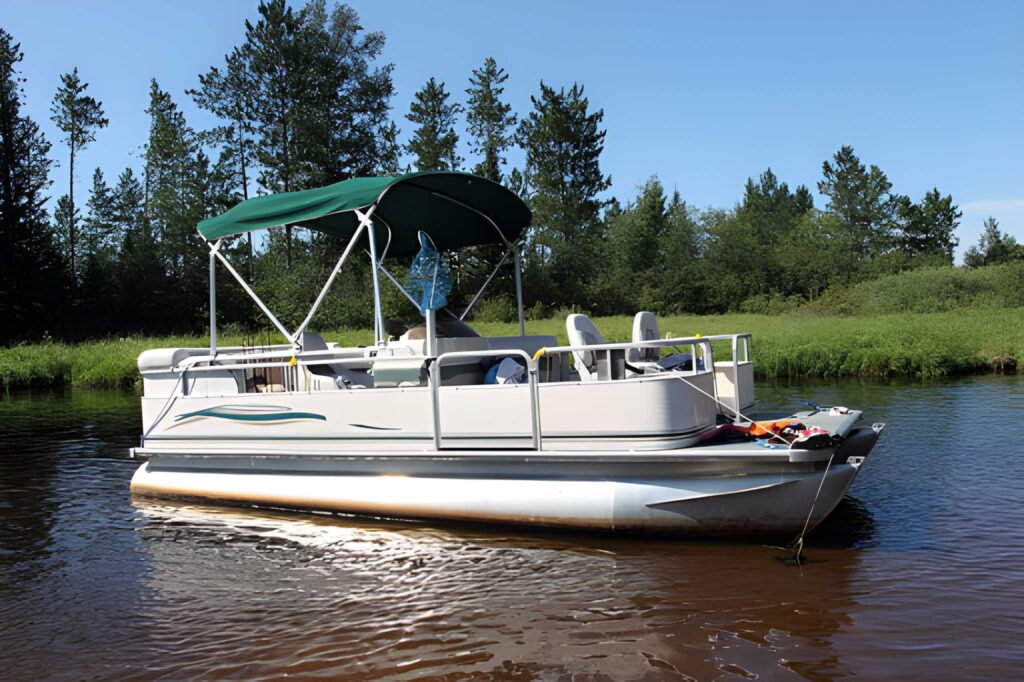
Pontoon boats are celebrated for their comfort, stability, and leisurely days on the water. With wide decks and buoyant tubes, they’re perfect for families, anglers, and casual cruising across lakes and calm coastal waters.
But like any motorized vehicle, pontoon boats can face mechanical issues, handling challenges, and wear over time especially without proper maintenance.
In this guide, we break down the 15 most common pontoon boat problems, explore their causes, and provide practical tips to prevent them. Whether it’s engine troubles, equipment malfunctions, or structural wear, understanding these issues will help you stay safe, avoid costly repairs, and make the most of every trip on the water.
4 Common Pontoon Boat Engine Problems
The engine is one of the most important and most vulnerable components of any pontoon boat. From routine wear to preventable maintenance issues, engine problems can show up in different ways and range from minor inconveniences to serious safety concerns.
Understanding these common pontoon boat engine problems helps you spot early warning signs, respond quickly, and avoid costly breakdowns while out on the water.
1. Engine Overheating
An overheating engine is one of the most common pontoon boat problems and one that should never be ignored. In many cases, rising engine temperatures start as a minor issue but can quickly turn into serious damage if you keep running the boat.
If your engine runs too hot for an extended period, it can shut down completely or suffer permanent internal damage. That’s the last thing you want when you’re miles away from the dock.
Always keep an eye on your temperature gauge while underway. If you notice the needle climbing higher than normal, slow down and investigate immediately. Common causes include a blocked water intake, reduced cooling water flow, or problems within the cooling system.
Debris, weeds, or small objects can restrict water intake, especially in shallow or dirty water. Carrying a small flexible wire or cleaning tool on board can help you clear minor blockages on the spot.
Another possible cause is a worn or broken drive belt. Even if you don’t hear it fail, signs like engine overheating or a voltage gauge showing the alternator isn’t charging can point to a belt issue. Without a functioning belt, critical components like the water pump won’t operate properly.
Prevention tip
Inspect the drive belt regularly for wear and tension, and always keep a spare belt on board. This simple habit can save you from an unexpected breakdown on the water.
2. Smoke Coming From the Exhaust
Seeing smoke coming from your pontoon boat’s exhaust can be alarming, even for experienced boaters. While it looks serious, smoke doesn’t always mean your engine is about to fail, but it is a warning sign that shouldn’t be ignored.
In many cases, exhaust smoke is linked to fuel or lubrication issues rather than major mechanical damage. Contaminated fuel, clogged or malfunctioning fuel injectors, or improper oil levels are some of the most common causes. Both overfilled and underfilled oil systems can create excess smoke and affect engine performance.
If you notice smoke while underway, reduce throttle and check your fuel quality and oil level as soon as it’s safe to do so. Continuing to run the engine without identifying the cause can lead to further damage over time.
Prevention tip
Use clean, fresh fuel, follow the manufacturer’s oil recommendations, and inspect injectors as part of routine maintenance to minimize the risk of exhaust smoke issues.
3. Engine Sputtering or Losing Power
If your pontoon boat starts losing power or feels like it’s sputtering even with plenty of fuel, it’s a warning that something in the engine system needs attention. This is a common issue that can be caused by fuel delivery problems, spark plug wear, or clogged filters.
Common causes include:
- Clogged in-line fuel filters;
- Fouled or worn spark plugs;
- Water or condensation in the fuel tank.
What to do on the water
If your engine begins to sputter, check the fuel filter first. If you have a spare filter, replacing it can solve the issue immediately. If not, carefully remove the filter, clear out any debris, and drain any water before continuing.
Also inspect your spark plugs. Faulty plugs can reduce engine performance and cause misfires. Having a set of spare plugs on board is always a smart precaution.
Preventive tips
- Avoid running the fuel tank near empty for long periods, as this can allow water or condensation to build up.
- Use a fuel stabilizer during storage or winterizing to keep gas fresh.
- Regularly inspect and replace spark plugs and filters as part of routine maintenance.
Taking these simple steps can help your engine run smoothly and prevent unexpected power loss while cruising.
4. Engine Won’t Start or Dies Suddenly
One of the most stressful situations for any pontoon owner is turning the key or pressing start and getting nothing. While it could be something simple like an empty fuel tank or a tripped kill switch, there are several other potential causes to consider.
Common reasons your pontoon engine won’t start include:
- Electrical issues such as blown fuses, tripped breakers, or corroded wiring;
- Battery problems, including dead or loose connections;
- Breaks in the ignition circuit.
Even experienced boaters can be caught off guard by these issues. A corroded battery terminal or a loose wire can prevent your engine from firing, leaving you stranded on the water.
Prevention and quick fixes
- Inspect all battery connections and ensure they’re secure and corrosion-free;
- Check fuses, breakers, and ignition wiring regularly;
- Replace old batteries and keep a fully charged spare on board.
Regular maintenance and pre-launch inspections are key to avoiding frustrating no-start situations. Staying proactive keeps your pontoon running smoothly and ensures your days on the water are fun, not stressful.
3. Common Equipment Failures on Pontoon Boats
While the engine often gets most of the attention, a pontoon boat has many other systems that can fail if not properly maintained. From steering and shifting mechanisms to props and onboard electronics, even a single malfunction can impact performance, safety, and your enjoyment on the water.
Understanding these common equipment issues and how to prevent them is just as important as keeping your engine in top shape. In the sections below, we’ll cover the most frequent equipment-related problems, what causes them, and practical tips to keep your pontoon running smoothly.
1. Excessive Boat Vibration
Feeling unusual vibrations while cruising is a common warning sign that something may be wrong with your pontoon. If the shaking increases as you speed up, it’s usually linked to the propeller or drive system.
Common causes of pontoon boat vibrations include:
- Dents, nicks, or gouges in the propeller blades that throw off balance;
- Fishing lines, ropes, or debris wrapped around the prop shaft;
- Damage from hitting submerged objects that bend or chip the prop.
While impacts to the propeller are less frequent on pontoons than on V-hull boats, shallow waters and hidden obstacles can still cause issues. Raising your motor in shallow areas is a simple way to reduce risk.
What to do if it happens on the water
If you notice vibration, slow down and make your way back to shore as safely as possible. Avoid running at high speed on a damaged prop, as this can harm the drive and other components of your motor.
Pro tip
Carrying a spare prop, the proper tools, and gloves makes it possible to replace the prop if needed. This small preparation can prevent minor propeller issues from turning into expensive repairs.
2. Pontoon Won’t Shift
If your pontoon boat refuses to shift out of idle or feels unresponsive, the issue often lies in the shifter or transmission. Most pontoons use mechanical cable shifts, and problems can arise when the linkage becomes stuck, disconnected, or damaged.
Common causes of shifting issues:
- Disconnected or broken shift cables;
- Stuck or misaligned mechanical linkages;
- Low transmission fluid or oil levels;
- Internal transmission failure.
Quick checks and fixes
Start by inspecting the shift cables at the gearbox to ensure they’re properly connected. Low fluid levels are another frequent culprit, make sure your transmission oil is topped off and replaced according to the manufacturer’s schedule. Carrying extra fluid on board is a smart precaution for longer trips.
While minor cable adjustments can sometimes be done on the water, most serious transmission problems require a dockside repair. Staying proactive with routine inspections and fluid maintenance is the best way to avoid being stranded.
Pro tip
Regularly test your shifting mechanism before leaving the dock and keep your gearbox and cables well-lubricated. This small step can prevent frustrating downtime and keep your pontoon operating smoothly.
3. Pontoon Won’t Steer
If your pontoon boat isn’t responding when you try to steer, it’s usually a sign of a hydraulic or mechanical issue. Steering problems can quickly become serious, so it’s important to identify the cause before heading out on the water.
Common causes of steering failure:
- Low hydraulic fluid;
- Leaks in the hydraulic system;
- Loose or damaged connections in the steering arm or linkage;
- Frozen or jammed drive components.
What to check
Start by inspecting your hydraulic fluid level. If it’s low, top it off and look for leaks near the motor or steering console. Tightening loose fittings may restore steering function in minor cases.
If the problem persists, trace the entire steering system for loose connections or mechanical faults. Many pontoon steering issues stem from a simple loose linkage or worn component that can be identified with careful inspection.
Prevention tips
- Regularly check and maintain hydraulic fluid levels;
- Lubricate steering linkages and moving parts;
- Carry a spare bottle of hydraulic fluid and a funnel on board.
By staying proactive, you can avoid unexpected steering failures and enjoy smoother, safer trips on your pontoon.
2 Problems That Relate to the Pontoon Body
Pontoon boat issues aren’t only about the engine or mechanical systems. Structural problems with the hull or pontoon tubes can affect stability, safety, and overall performance on the water. Even small cracks, dents, or corrosion can worsen over time if they aren’t addressed promptly.
Knowing the most common body-related problems on pontoons helps owners spot issues early, protect their boat’s integrity, and avoid costly repairs. Below, we’ll dive into the typical hull and tube problems and share practical tips to keep your pontoon in top shape.
1. Hull Issues
Over time, the hull of a pontoon boat can develop cracks, fractures, or signs of wear, especially if it has been involved in collisions or frequent heavy use. Even small structural issues can worsen if not addressed promptly, potentially affecting your boat’s safety and performance.
What to look for
- Visible cracks or fractures on the hull surface;
- Soft spots, bubbles, or wrinkles in the laminate;
- Areas where the hull meets the deck, flooring, or furniture.
Regular inspections of these areas are key. Catching damage early allows for repairs before problems become serious or costly. Well-maintained hulls not only improve safety but also extend the lifespan of your pontoon and maintain its overall performance on the water.
Pro tip
Schedule routine checks of the hull after each boating season, and repair any minor damage immediately to prevent it from growing into a major issue.
2. Pontoon Tube Issues
Pontoon tubes are critical for your boat’s buoyancy, but they’re also vulnerable to damage from collisions, shallow waters, or improper handling. Even minor dents or cracks can lead to leaks, reduced performance, or long-term corrosion if not addressed promptly.
Common causes of pontoon tube damage:
- Hitting submerged objects, docks, or lake bottoms, especially the nose of the tubes;
- Bending or cracking from shallow water impacts;
- Corrosion from prolonged contact with mud or stagnant water during low water periods;
- Trailer damage or rough road conditions;
- Saltwater exposure leading to accelerated corrosion.
Inspection tips
- Check the tubes for dents, cracks, or pitting regularly;
- Inspect areas where the tubes meet the deck and fittings for signs of corrosion;
- Ensure tubes are properly aligned on the trailer before transport;
- Monitor for any leaks during or after each outing.
Maintenance tip
Always rinse your tubes after use, especially in saltwater, and follow a regular maintenance schedule to prevent corrosion and prolong their lifespan. Early detection and care can save costly repairs and keep your pontoon safe on the water.
6 Major Disadvantages of Pontoon Boats
Even when a pontoon boat is mechanically sound, it still has some limitations compared to other types of boats. Understanding these drawbacks can help owners make informed decisions and ensure they get the most out of their time on the water.
In this section, we’ll cover six common disadvantages of pontoons from speed limitations to handling challenges and provide tips for managing them safely and effectively.
1. Limited Speed
A common limitation of pontoon boats is their speed. Most pontoons top out around 30 miles per hour, making them less suitable for high-speed activities like waterskiing or wakeboarding.
While it’s possible to upgrade to a more powerful engine or even add multiple engines to boost speed, this can get expensive quickly. Beyond cost, heavier engines can also affect fuel efficiency and weight distribution, which may impact performance and safety.
Pro tip
If speed is important for your activities, consider a pontoon with a performance-oriented engine package or plan your outings around low-speed cruising and relaxing on the water.
2. Rough Water Handling
Pontoon boats aren’t designed like traditional V-hull boats, which makes them less suited for choppy water or large waves. In storms or heavy rain, pontoons can feel unstable as they tend to ride over waves rather than cut through them, increasing the risk of water splashing onto the deck or, in extreme cases, capsizing.
Tips for handling rough water
- Keep an even weight distribution onboard and ensure passengers understand the importance of balance.
- Avoid overloading the boat, as extra weight can make navigation more difficult and increase the risk of swamping.
- If rough conditions are unavoidable, slow down and head toward the nearest safe shore.
By managing weight carefully and respecting weather conditions, you can significantly reduce the risks and keep your pontoon safe even in less-than-ideal water.
3. Wider Wake
Most pontoon owners don’t think much about wake shape, but pontoons typically create a wider wake than traditional V-hull boats. This can be an important consideration when navigating in no-wake zones or near docks, swimmers, and other vessels.
Tips for managing a wider wake
- Reduce speed in restricted areas to minimize your wake.
- Be mindful of other boats, swimmers, and shoreline structures.
- Plan your route to avoid congested or narrow waterways whenever possible.
Understanding how your pontoon’s wake behaves helps you stay safe, avoid fines, and prevent unintended damage to your surroundings.
4. Handling
Steering a pontoon boat is generally straightforward, but it behaves differently from a traditional V-hull boat. Pontoons are wider and heavier, which means they require a larger turning radius and more space to maneuver safely.
Tips for safer handling
- Leave extra room when turning or passing other boats to avoid collisions.
- In high winds, lower or remove any overhead canopy or top to reduce wind resistance, which can make handling more difficult.
- Never allow towing with the top up, as it can create instability and handling problems.
- Accelerate and decelerate gradually, especially when turning, to maintain control of your pontoon.
By understanding these handling nuances, you can navigate confidently and keep your passengers safe while enjoying your time on the water.
5. Engine Noise
Pontoon boats are not designed for high speeds, so some owners add larger or multiple motors to boost performance. While this increases power, it can also make the ride significantly noisier.
What to know about engine noise
Older engines tend to be louder than newer models.
- Older engines tend to be louder than newer models.
- Outboard motors are generally louder than inboard motors.
- Excessive engine noise can reduce comfort and enjoyment for passengers.
Pro tip
If noise is a concern, consider upgrading to a modern, quieter engine, using noise-reducing accessories, or planning outings during less busy times to avoid disturbing others. Proper maintenance, such as keeping mufflers and exhaust systems in good condition, can also help minimize noise.
6. Risk of Theft
Pontoon boats are open and spacious, but that openness can make them vulnerable to theft. With limited locked storage and no enclosed cabins, valuable items left on board are easy targets for opportunistic thieves.
Tips to prevent theft
- Always remove electronics, fishing gear, and other valuables when leaving your pontoon unattended.
- Use lockable storage compartments whenever possible for smaller items.
- Consider adding a boat cover or security system if your pontoon is moored or stored in a public area.
Being proactive about security helps protect your belongings and gives you peace of mind while enjoying your time on the water.
Benefits of Owning a Pontoon Boat
While pontoon boats come with some drawbacks, they also offer many advantages that make them a popular choice for families, anglers, and recreational boaters.
Spacious and Comfortable
Pontoon boats feature a large, flat deck, providing plenty of room for passengers to move around, relax, and enjoy activities like sunbathing, swimming, or hosting meals and small gatherings.
Great for Fishing and Customization
With ample deck space, pontoons can easily be outfitted with fishing gear, tackle storage, and even specialized seating. This makes them a versatile option for anglers of all skill levels.
Easy Maintenance
Pontoons are generally easier to maintain and clean than traditional V-hull boats. Routine care, like inspecting tubes and hulls and keeping mechanical systems in check, prevents major problems and helps protect your investment. Repairs are often simpler and less expensive as well.
Stable and Safe Design
Thanks to their multi-hull construction, pontoon boats are naturally stable and offer a smooth, safe ride even for beginners or children on board.
Family-Friendly Fun
Pontoon boats are perfect for social outings, whether you’re grilling on deck, enjoying watersports, or simply cruising with friends and family. Their roomy layout makes them ideal for creating memorable experiences on the water.
Frequently Asked Questions (FAQ)
Engine overheating is often caused by a blocked water intake, reduced cooling water flow, or a worn drive belt. Regularly inspect the water pump, temperature gauge, and drive belt to prevent overheating and serious engine damage.
Check battery connections, fuses, breakers, and ignition wiring first. Ensure your fuel tank has clean fuel. Carrying a fully charged spare battery and spare fuses can save you from being stranded on the water.
Inspect tubes for dents, cracks, or corrosion regularly. Avoid hitting submerged objects, rinse tubes after saltwater use, and follow a maintenance schedule to protect your pontoon’s buoyancy and longevity.
Excessive vibration is usually caused by damaged or unbalanced propellers, debris around the prop shaft, or hitting submerged objects. Inspect and replace props as needed and carry a spare propeller on board for emergencies.
Maintain even weight distribution, avoid overloading, and slow down in rough conditions. Remove or lower any overhead canopy to reduce wind resistance, and navigate cautiously toward safe shores when necessary.
Regularly check the engine, spark plugs, fuel filters, steering system, shift cables, hydraulic fluid, and pontoon tubes. Following a preventive maintenance schedule ensures smooth operation, reduces repair costs, and extends your boat’s lifespan.
Conclusion
Pontoon boats offer a unique combination of comfort, versatility, and stability that make them a favorite for families and recreational boaters. While they come with potential drawbacks, like limited speed, handling quirks, and maintenance needs, being aware of common problems and addressing them proactively ensures a smooth, safe, and enjoyable experience.
By regularly inspecting your engine, equipment, and pontoon tubes, and following preventive maintenance tips, you can extend the life of your boat and maximize fun on the water. With proper care, your pontoon becomes more than a boat, it’s a reliable platform for unforgettable adventures.