


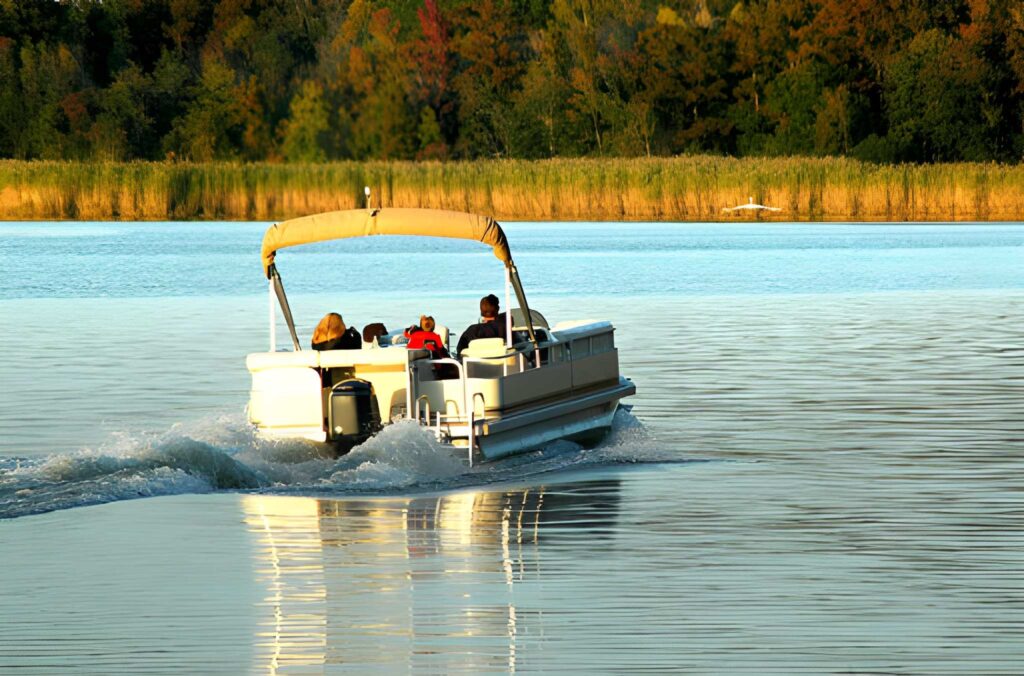
Choosing the correct trolling motor shaft length is one of the most important steps when outfitting your pontoon boat. The right shaft ensures the propeller stays submerged, the motor operates efficiently, and the boat handles smoothly under a variety of conditions. A shaft that is too short can lead to reduced thrust, poor maneuverability, and motor strain, while a shaft that is too long can feel awkward or get in the way. This guide explores everything you need to know about selecting, measuring, and installing the ideal trolling motor shaft for your pontoon boat.
Why Shaft Length Matters
The trolling motor shaft is the vertical portion connecting the motor head to the propeller housing. Its length determines how deep the propeller sits in the water. If the shaft is too short, the propeller may lift out of the water during operation, especially in choppy conditions or when the boat is fully loaded. This reduces efficiency and can cause cavitation, which may damage the motor over time. Conversely, an overly long shaft can make the motor more difficult to handle when raised or stored, and in some cases, it can interfere with bow fittings or railings.
For pontoon boats, which typically have higher decks than standard fishing boats, selecting the correct shaft length is even more crucial. Most pontoons benefit from shafts in the 55-60 inch range, though smaller or lower-deck pontoons can sometimes use a 48-inch shaft. A practical rule of thumb is to measure from the deck where the motor will mount down to the waterline and add 18-22 inches to account for waves, loading, and seasonal water level changes.
Factors That Affect Shaft Length
Choosing the right shaft length isn’t just about measuring once. Several factors influence the ideal length for your specific pontoon setup.
Mounting Position
The location where you mount your trolling motor is the single biggest factor. Bow-mounted motors are the most common choice because they provide superior maneuverability and allow for better control when casting or navigating narrow or winding waterways. However, because the bow is often higher than the stern, a longer shaft is usually required.
Stern-mounted motors are easier to install and generally do not require modifications to the boat, making them an appealing choice for pontoons with limited bow space. Stern mounts may not offer the same precision when turning or maneuvering but are sufficient for many recreational anglers. Some pontoons may even allow the motor to be mounted near the main engine, though these setups require careful measurement to ensure proper submersion.
Pontoon Design and Deck Clearance
Not all pontoons are created equal. Bow designs vary widely, and clearance can be limited by fencing, railings, or gates. Some pontoons feature wide, open bows that make motor installation simple, while others may require adjustments. Minor trimming or reshaping of the front gate can provide enough space for a bow mount without compromising the boat’s appearance or integrity. If modifications are not an option, a stern-mounted motor with a shorter shaft can be a practical alternative.
Water Conditions
Water type and condition have a direct impact on shaft selection. Calm lakes or rivers typically allow for slightly shorter shafts, as water levels remain consistent and waves are minimal. On larger lakes, reservoirs, or coastal areas where choppier conditions are common, a longer shaft ensures the propeller stays submerged and avoids cavitation. Seasonal changes in water levels should also be factored in; a shaft that is ideal in low water may sit too shallow when levels rise.
Boat Load and Weight Distribution
The amount of weight your pontoon carries affects how low it sits in the water. A fully loaded pontoon will ride lower, reducing the depth needed for the shaft, whereas uneven weight distribution can tilt the bow and change how the motor sits. Ensuring even distribution of passengers and gear is essential not only for safety but also for optimizing motor performance.
Shaft Material and Motor Type
While the focus is often on length, the material of the shaft and the type of trolling motor also matter. Fiberglass shafts are lighter and less prone to bending, while stainless steel shafts are extremely durable but heavier. Electric trolling motors may have specific requirements for shaft length to maintain proper torque and battery efficiency, whereas gas-powered or hybrid setups may offer more flexibility. Always consult your motor’s specifications to ensure compatibility.
How to Measure Shaft Length
Measuring correctly is critical to avoid installation errors. The shaft length is determined by the distance from the top of the motor head, where it meets the mounting bracket, to the top of the propeller housing. Compare this measurement to the distance from the deck to the waterline, then add 18-22 inches for proper submersion.
Even if the manufacturer lists a recommended shaft length, measuring your own boat is important. It accounts for variations in deck height, load, and the types of water you typically navigate.
Recommended Shaft Lengths for Pontoon Boats
| Mounting Position | Deck Height | Suggested Shaft Length | Notes |
|---|---|---|---|
| Bow | Low | 55 in | Ideal for small pontoons or calm waters |
| Bow | Standard | 60 in | Most common setup for medium-sized pontoons |
| Stern | Low | 48–50 in | Simplest installation, minimal modifications |
| Stern | Standard | 55 in | Keeps prop submerged in moderate waves |
This table is a practical reference, but remember that your specific boat design, load, and water conditions may require adjustments.
Common Mistakes to Avoid
Many pontoon owners make the mistake of choosing a shaft that is too short. A short shaft can result in the prop lifting out of the water in waves, making the boat difficult to control and reducing thrust. Ignoring bow height, deck clearance, or water conditions can also compromise performance. While a slightly long shaft may seem cumbersome, it rarely interferes with operation and is safer than a short shaft.
Other mistakes include relying solely on manufacturer recommendations without measuring the specific boat, not considering seasonal water level changes, and overlooking how passenger or gear distribution affects the bow’s height.
Practical Tips for Optimal Performance
Choosing the right shaft length is only part of the process. To maximize performance:
- Check deck-to-waterline distance regularly, especially if you add heavy gear or passengers.
- Balance weight evenly across the deck to maintain proper trim.
- Consider bow modifications carefully if you want a bow mount but lack clearance. Minor adjustments can make installation easier without affecting aesthetics.
- Select quality shafts based on material and motor type for durability and performance.
Paying attention to these details ensures that your motor operates efficiently, the propeller remains submerged, and your pontoon handles predictably.
FAQ: Trolling Motor Shaft Length for Pontoon Boats
The propeller should sit fully submerged when the boat is loaded with passengers and gear. Measure from the deck to the waterline, add 18-22 inches, and compare to your motor’s shaft length. If the prop comes out of the water in waves, the shaft is too short.
Yes, a shaft that is excessively long may stick up awkwardly when stowed or interfere with bow fittings, but it generally does not impact performance. In most cases, it’s better to have a slightly long shaft than a short one.
Bow mounts are preferred for better maneuverability and control, especially when fishing. Stern mounts are easier to install and may avoid modifications, but they provide slightly less precise handling.
Absolutely. Calm lakes and rivers can work with shorter shafts, while choppier waters or large lakes require longer shafts to keep the propeller submerged and maintain consistent thrust.
A fully loaded pontoon sits lower in the water, which can reduce the depth needed for the shaft. Uneven weight distribution can tilt the bow, potentially requiring a longer shaft for proper submersion.
Some trolling motors come with telescoping or adjustable shafts, allowing you to change the length slightly depending on conditions. These are more expensive but offer flexibility for different water levels and loads.
Fiberglass shafts are lighter and resistant to bending, while stainless steel shafts are extremely durable but heavier. The material choice depends on your priorities for durability, weight, and ease of handling.
Yes, minor adjustments such as trimming or reshaping the front gate can create enough clearance for a longer bow-mounted motor. These modifications are usually simple and do not compromise the boat’s appearance or structure.
Conclusion
Selecting the correct trolling motor shaft length is a crucial step in outfitting your pontoon boat for safety, efficiency, and enjoyment. Consider factors such as mounting location, deck height, water conditions, boat load, and motor type. Measuring carefully, planning for minor adjustments, and erring slightly on the side of a longer shaft can save frustration and improve performance. With the right shaft, your pontoon boat will glide smoothly across calm lakes, navigate choppy waters, and provide a more enjoyable experience for everyone on board.